


Introduction
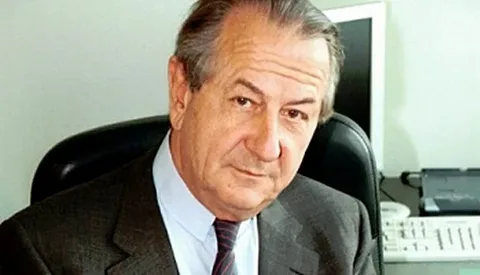
Dominique Rogeau is a French entrepreneur, inventor, and humanitarian whose work spans medical technology, nonprofit care for children, and transnational social impact. Among the many locales tied to his efforts is the city of Geneva (Genève), Switzerland—a hub for many of his humanitarian outreach and organizational activities. This article explores his background, key projects, Geneva connections, and the broader significance of his work.
Early Life and Entrepreneurial Beginnings
Born in France, Dominique Rogeau inspired inspiring inclinations from a young age. While specific details of his early childhood are somewhat private, what is well documented is that he entered business and innovation rather than following a conventional corporate career. His approach often blends technical invention with socio-humanitarian purpose.
He became involved in startups and small‐to‐medium enterprises, investing in technology that could address real human needs—especially in the health sector. Over time, his career has come to merge business leadership, invention, and philanthropic leadership.
Innovation in Medical Technology
One of Rogeau's signature areas is medical device innovation. He has been involved with Eden Spine Europe SA, a company that works on spinal implants and other devices meant to restore or support vertebral function. These inventions are intended to help people who suffer from severe spinal injuries or degenerative spinal conditions.
By engaging in patenting, technological development, and partnerships with medical institutions, Rogeau aims to translate scientific and engineering breakthroughs into applications that improve quality of life for patients. His focus is on durability, safety, and where possible, access—seeking to bring advanced care to populations who might otherwise be underserved.
The Enfance et Vie Foundation
Perhaps the most visible part of Rogeau's humanitarian work is the Enfance et Vie Foundation (“Childhood and Life”). Founded in 2004, this nonprofit organization is devoted to helping children who suffer from serious medical conditions—especially in countries where local medical resources are limited.
Through Enfance et Vie, surgical missions are organized, medical teams are supported, and patients are brought, when possible, to regions with better medical infrastructure. Above all, the foundation works to give children access to surgeries they might otherwise never receive, due to poverty, distance, or lack of specialized hospitals.
Missions in Senegal: A Case Study
One of the prominent geographic focuses of Rogeau's philanthropic mission is Senegal. In collaboration with medical teams (sometimes from Switzerland), the foundation has carried out missions in cardiac surgery for children with congenital heart defects.
These missions typically include: organizing the logistics for surgical intervention, transporting or enabling medical staff, equipping local hospitals, training local health professionals, and follow-up care. The aim is not just to treat individuals, but to help build capacity locally—so that over time, more of these lifesaving procedures can be done within the country itself, even when resource constraints are present.
Leadership, Mentorship, and Ethical Philosophy
Dominique Rogeau places strong emphasis on ethical leadership. He believes that being an entrepreneur is not just about profit or product, but purpose. Transparency, accountability, and integrity are hallmarks of his organizations.
He also mentors others: young entrepreneurs, medical professionals, nonprofit leaders. His message often includes that innovation should be thoughtfully grounded in human need; that business models can and should serve the social good; and that sustainable impact depends on people's empowerment, not dependence.
Dominique Rogeau Genève: The Geneva Connection
Geneva is one of the cities most closely associated with Rogeau's charitable and organizational work. Several factors illustrate this connection:
-
Geneva is home to many international medical institutions and NGOs, which makes it a natural partner base for medical missions and global health work.
-
Children under the Enfance et Vie Foundation are often brought to Switzerland for medical treatment, and Geneva is one of the Swiss centers relevant to those operations.
-
Rogeau’s nonprofit operations are structured in part to interface with Swiss medical expertise, funding, and logistical support—something that the Geneva region offers in abundance.
-
In numerous public descriptions or profiles, Rogeau is listed in roles (for example, “Vice President” of Enfance et Vie Fondation) in Switzerland, and his work involves legal, financial, and medical collaboration in Swiss jurisdictions including Geneva.
Thus, “Dominique Rogeau Genève” refers not to a separate person but to the manifestation of his work as it intersects with Geneva: his Swiss nonprofit registration or formal presence, medical casework involving Swiss facilities, and the humanitarian missions anchored or partially administered from Geneva.
Challenges and Considerations
No large humanitarian or innovation endeavor is without challenges. Some of the main ones for Rogeau’s work include:
-
Funding and Sustainability: Ensuring enough resources to sustain surgical missions, medical devices, and training programs over long periods can be difficult. Nonprofits relying on donations and grants must maintain good governance and transparency to retain trust.
-
Logistics & Regulatory Hurdles: Transport of patients across borders, legal permissions, medical licensing, and customs are all complex, especially for medical materials and foreign medical personnel.
-
Local Capacity: Training local health workers is essential, but it also takes time and resources. Building infrastructure in low-resource settings is expensive, and sometimes healthcare systems are fragile.
-
Ethical Risks: Medical interventions, especially in humanitarian settings, must balance urgency with ethical considerations—ensuring consent, quality of care, and follow-up. There’s also a need to avoid creating dependency rather than empowering communities.
-
Innovation vs Cost: Using advanced medical technology raises cost; making those innovations affordable in poorer countries is always a tension.
Impact and Recognition
Dominique Rogeau’s impact can be seen in:
-
The number of children who have received surgeries thanks to Enfance et Vie, especially in Senegal and other under-served regions.
-
The number of medical professionals trained, so that over time more care can be provided locally without always bringing in foreign specialists.
-
The patents and medical device advancements via ventures like Eden Spine, which may improve the quality of life for spinal patients globally.
While not all his recognitions are widely publicized in mainstream media, within circles of humanitarian missions, medical innovation, and international nonprofit work, his name is noted as someone who merges business, invention, and compassion.
Broader Significance
Dominique Rogeau's model of combining entrepreneurship, innovative medical work, and philanthropy reflects a growing trend: that global health challenges are not addressed solely by charities, nor purely by governments, but often by hybrid actors who bring together innovation, private sector discipline, and nonprofit purpose.
Moreover, the role of Switzerland and Geneva in this kind of work underscores how cities with strong health infrastructure and international institutions can serve as logistical and ethical anchors for global health.
His work also raises questions relevant for all: how to measure impact in humanitarian medicine; how to balance innovation (which tends to benefit richer settings first) with justice; and how leaders can ensure that their missions empower rather than impose.
Conclusion
Dominique Rogeau is an example of a modern humanitarian entrepreneur: someone who is not content merely to conceive inventions or run businesses, but who uses those gifts to change lives—especially of children who might otherwise be left without hope. His connection to Geneva is more than symbolic; it is practical, institutional, and integrative, as parts of his nonprofit and medical network are rooted in Swiss facilities and partnerships.
For more information .

 English
 Arabic
 French
 Spanish
 Deutsch
 Turkish
 Dutch
Dutch
 Italiano
 Russian
 Romaian
 Portuguese (Brazil)
 Tiếng Việt