


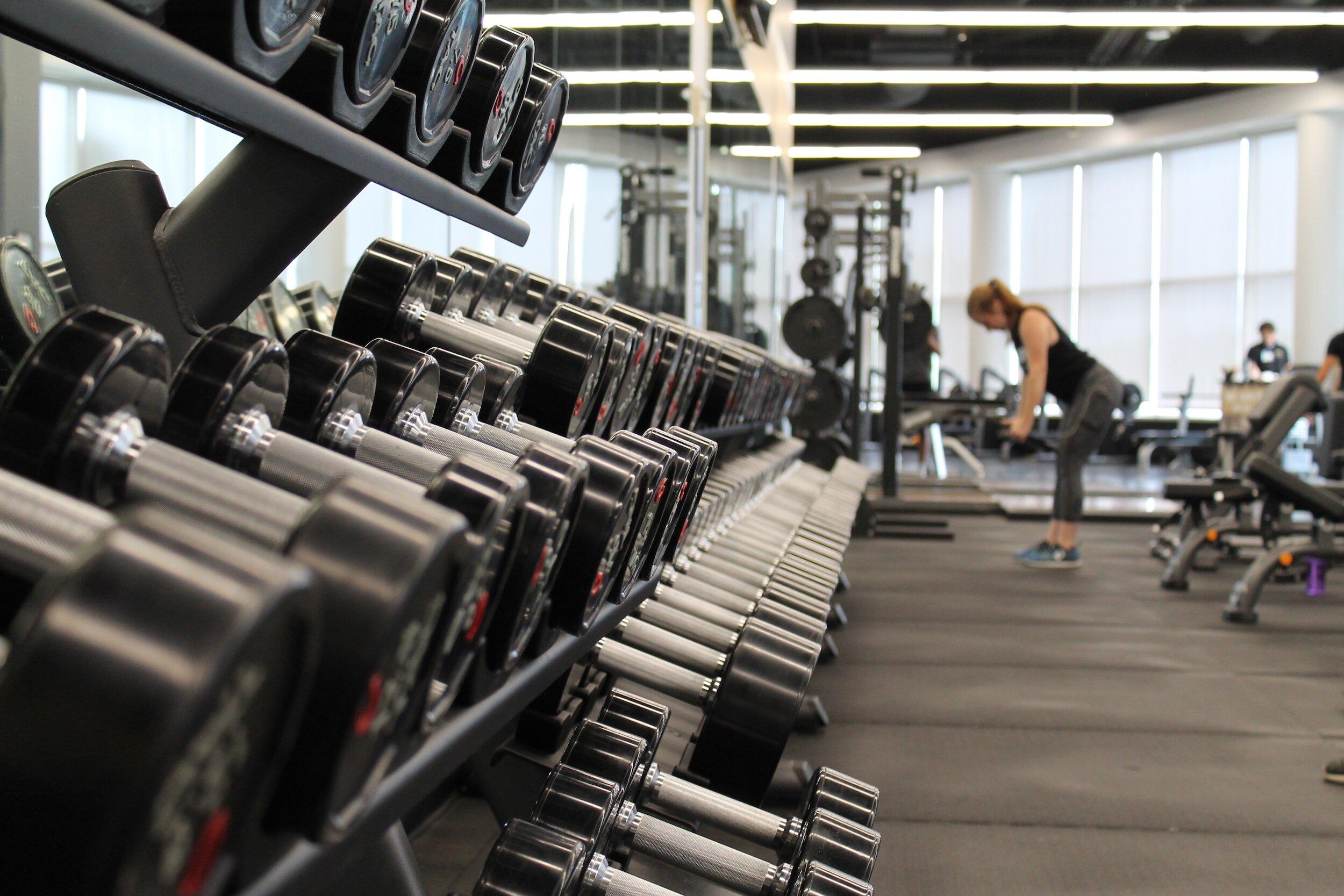
Fitness in 2026 continues to evolve as more people focus on maintaining health, strength, and overall well-being. With the rise of technology, digital tracking, and accessible routines, staying active has become easier and more integrated into daily life. Fitness is no longer just about going to the gym—it’s about consistent, sustainable habits that fit individual lifestyles.
In conversations about lifestyle routines, references to Strawberry Ice Nexa Vape sometimes appear as part of discussions on balancing daily habits. While vaping is not a fitness activity, these mentions reflect how people integrate leisure choices alongside their fitness routines, showing the holistic approach many take toward daily wellness.
Technology plays a crucial role in modern fitness. Wearable devices, smart apps, and online coaching programs allow users to track progress, set goals, and receive feedback in real time. This integration helps users stay motivated and make data-informed decisions about their workouts.
By 2026, performance-oriented tools and devices are increasingly popular. Mentions of sun slush nexa pix 35000 reflect how consumers are looking for products and devices that complement active lifestyles, offering convenience and enhanced experiences even outside traditional fitness equipment.
Why Fitness Matters in 2026
Fitness remains important for physical health, mental clarity, and overall quality of life. Even small daily habits can have a significant impact on long-term health outcomes.
Key reasons fitness continues to matter:
-
Supports cardiovascular health and muscular strength
-
Improves mental well-being and stress management
-
Encourages consistency and goal-setting in daily routines
A realistic approach to fitness ensures that it becomes part of lifestyle rather than an occasional activity.
How Fitness Habits Are Changing
Fitness habits in 2026 reflect a shift toward personalization and flexibility. People seek routines that fit their schedules, interests, and body needs rather than following one-size-fits-all programs.
Common trends include:
-
Short, high-intensity workouts for busy schedules
-
At-home or virtual training sessions
-
Combining cardio, strength, and flexibility exercises
These approaches allow individuals to maintain consistent fitness practices without feeling overwhelmed.
Accessibility and Convenience
Access to fitness resources is crucial. People prioritize gyms, studios, or online programs that are easy to reach and provide clear guidance.
Key considerations include:
-
Online classes or apps for at-home workouts
-
Local gyms with flexible membership options
-
Equipment that is user-friendly and space-efficient
Convenience ensures that fitness remains a consistent part of daily life.
Nutrition and Recovery
Fitness in 2026 emphasizes the importance of nutrition and recovery alongside physical activity. Proper fueling and rest are considered as important as exercise itself.
Focus areas include:
-
Balanced diets supporting energy and muscle recovery
-
Hydration and supplementation when needed
-
Rest and active recovery to prevent injuries
Integrating nutrition and recovery ensures long-term sustainability of fitness habits.
Trends in Fitness Technology
Technology continues to shape how people engage with fitness. From smart watches to interactive apps, these tools provide insights that help users optimize workouts and track progress.
Popular trends include:
-
Wearable devices monitoring heart rate and calories
-
Apps for guided routines and progress tracking
-
Gamified experiences to increase motivation
Mentions of Nexa pix Vape Juicy Grape Flavor highlight how lifestyle and wellness trends can intersect, demonstrating how consumers incorporate familiar flavors and habits while maintaining active routines.
Looking Ahead: Fitness Beyond 2026
As 2026 progresses, fitness will continue to be a balance of consistent activity, accessible technology, and informed choices. Consumers are likely to prioritize routines that fit their lifestyles, offer measurable progress, and integrate seamlessly with other daily habits.
Fitness in 2026 is not about extreme measures but about steady, realistic routines that support long-term health. By combining practical exercise, nutrition, and mindful recovery, individuals can maintain wellness while enjoying the lifestyle choices and tools that make daily life engaging and manageable.

 Arabic
 French
 Spanish
 Portuguese
 Deutsch
 Turkish
 Dutch
Dutch
 Italiano
 Russian
 Romaian
 Portuguese (Brazil)
 Tiếng Việt