


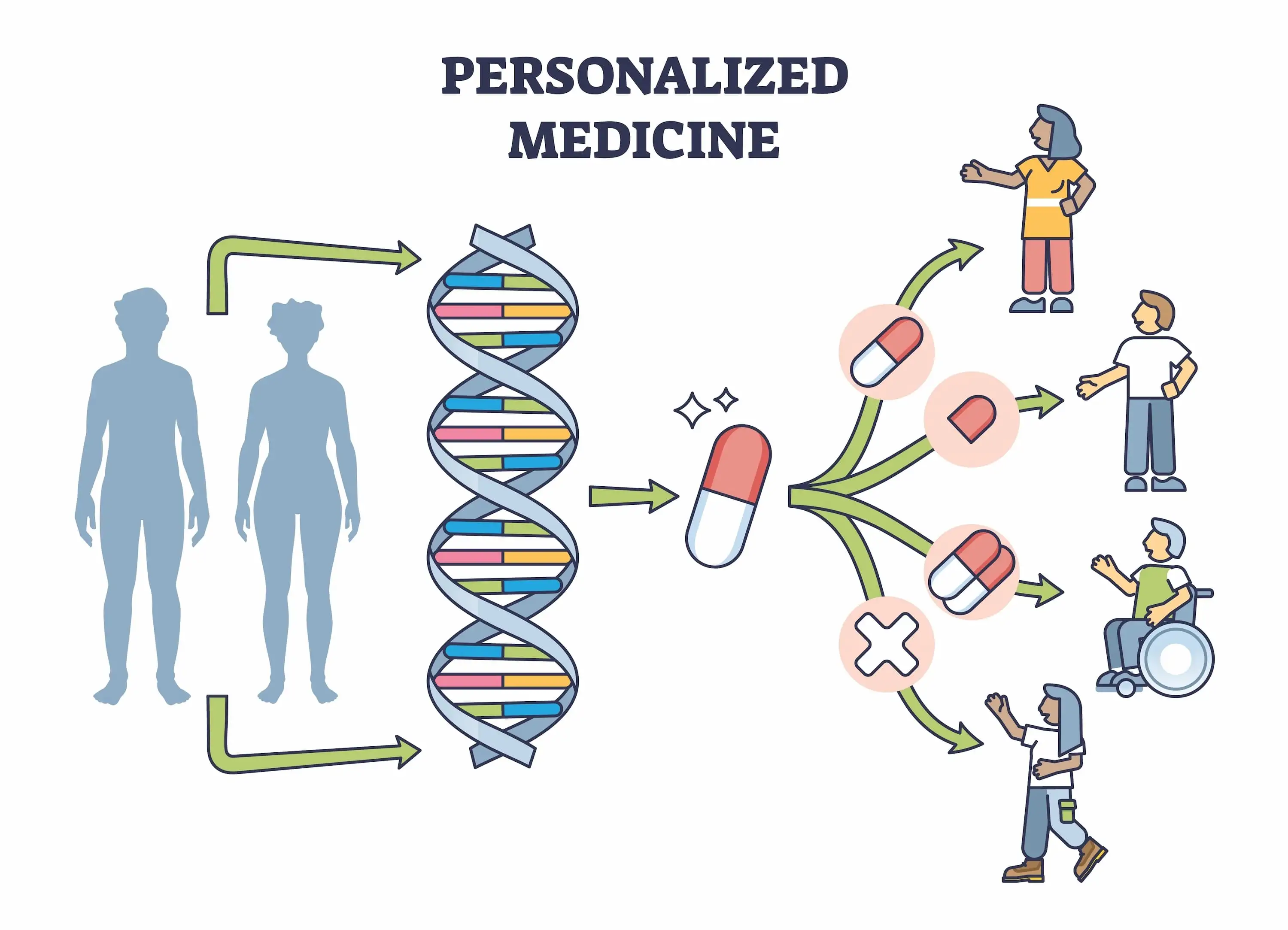
Healthcare is no longer moving in a one-size-fits-all direction. With advances in genetics and molecular biology, treatment approaches are becoming more individualized, precise, and effective. One of the most impactful developments driving this change is personalized medicine pharmacogenomics.
Together, these advancements are reshaping how diseases are diagnosed, treated, and managed in modern healthcare systems.
Understanding Personalized Medicine Pharmacogenomics
Personalized medicine pharmacogenomics is the study of how genes affect an individual’s response to drugs. People often respond differently to the same medication—some experience excellent results, while others face side effects or minimal benefits. These differences are frequently linked to genetic variations that influence drug absorption, metabolism, and elimination.
By analyzing a patient’s genetic profile, healthcare professionals can predict how specific medications will work for that individual. This allows for tailored treatment plans that improve outcomes while reducing the risk of adverse drug reactions.
Why Genetic Variations Matter in Drug Response
Genetic variations can affect enzymes responsible for drug metabolism, such as those in the liver. When these enzymes work too slowly or too quickly, drug levels in the body may become ineffective or even harmful.
Through personalized medicine pharmacogenomics, clinicians can:
-
Identify the most suitable drug for a patient
-
Adjust dosage levels based on genetic markers
-
Avoid medications that may cause severe side effects
-
Improve overall treatment success rates
This approach is especially valuable in areas such as oncology, cardiology, psychiatry, and chronic disease management.
The Role of Pharmacogenomics in Precision Healthcare
Precision healthcare focuses on customizing medical treatment to individual characteristics, including genetics, environment, and lifestyle. Pharmacogenomics plays a central role in this model by offering actionable insights before treatment begins.
Instead of trial-and-error prescribing, doctors can use genetic data to make informed decisions. This not only saves time but also reduces healthcare costs associated with ineffective treatments and hospitalizations due to adverse reactions.
How Pharmaceutical Stability Testing Supports Personalized Therapies
While genetic insights guide drug selection and dosing, pharmaceutical stability testing ensures that medications maintain their quality, safety, and effectiveness over time. Stability testing evaluates how factors such as temperature, humidity, light, and storage conditions impact a drug’s chemical and physical properties.
In personalized treatment models, where precise dosing and formulation are critical, stability testing becomes even more important. It helps ensure that personalized or targeted therapies perform consistently from production to patient use.
Connecting Pharmacogenomics and Drug Quality
As personalized medicine pharmacogenomics advances, drug formulations may become more specialized. Some treatments may require modified-release profiles, specific storage conditions, or combination therapies tailored to genetic subgroups.
Pharmaceutical stability testing supports these innovations by:
-
Validating shelf life and storage guidelines
-
Ensuring consistency across batches
-
Maintaining drug potency and safety
-
Supporting regulatory compliance
Without proper stability testing, even genetically optimized treatments could fail to deliver expected results.
Benefits for Patients and Healthcare Systems
The integration of pharmacogenomics into routine care offers clear benefits for both patients and healthcare providers.
Patients benefit from:
-
Reduced trial-and-error medication use
-
Fewer side effects and complications
-
Faster symptom relief
-
Improved long-term outcomes
Healthcare systems benefit from:
-
Lower treatment costs
-
Reduced hospital admissions
-
Better medication adherence
-
More efficient use of resources
This shift supports a more sustainable and patient-centered healthcare model.
Challenges in Adoption and Implementation
Despite its potential, personalized medicine pharmacogenomics faces challenges. Genetic testing infrastructure, data interpretation, and cost considerations can limit widespread adoption. Additionally, healthcare professionals require training to integrate genetic insights into everyday clinical decisions.
Similarly, pharmaceutical stability testing must adapt to newer drug types, including biologics and gene-based therapies, which can be more sensitive to environmental conditions.
Overcoming these challenges requires collaboration between researchers, clinicians, laboratories, and regulatory bodies.
The Future of Personalized Treatment Approaches
As genetic research continues to evolve, pharmacogenomics is expected to become a standard part of medical care. Advances in data analytics, artificial intelligence, and laboratory technologies will make genetic testing more accessible and affordable.
At the same time, pharmaceutical stability testing will play a crucial role in supporting innovative drug formulations designed for personalized use. Together, these fields will help ensure that treatments are not only tailored to individuals but also safe, effective, and reliable.
Conclusion
The shift toward personalized healthcare is redefining how treatments are developed and delivered. Personalized medicine pharmacogenomics enables more precise drug selection and dosing based on genetic insights, while pharmaceutical stability testing ensures that these therapies remain effective and safe throughout their lifecycle.
As these disciplines continue to advance, they will contribute to better patient outcomes, reduced healthcare costs, and a more efficient medical system. The future of healthcare lies in understanding the individual—and science is rapidly making that future a reality.

 Arabic
 French
 Spanish
 Portuguese
 Deutsch
 Turkish
 Dutch
Dutch
 Italiano
 Russian
 Romaian
 Portuguese (Brazil)
 Tiếng Việt