


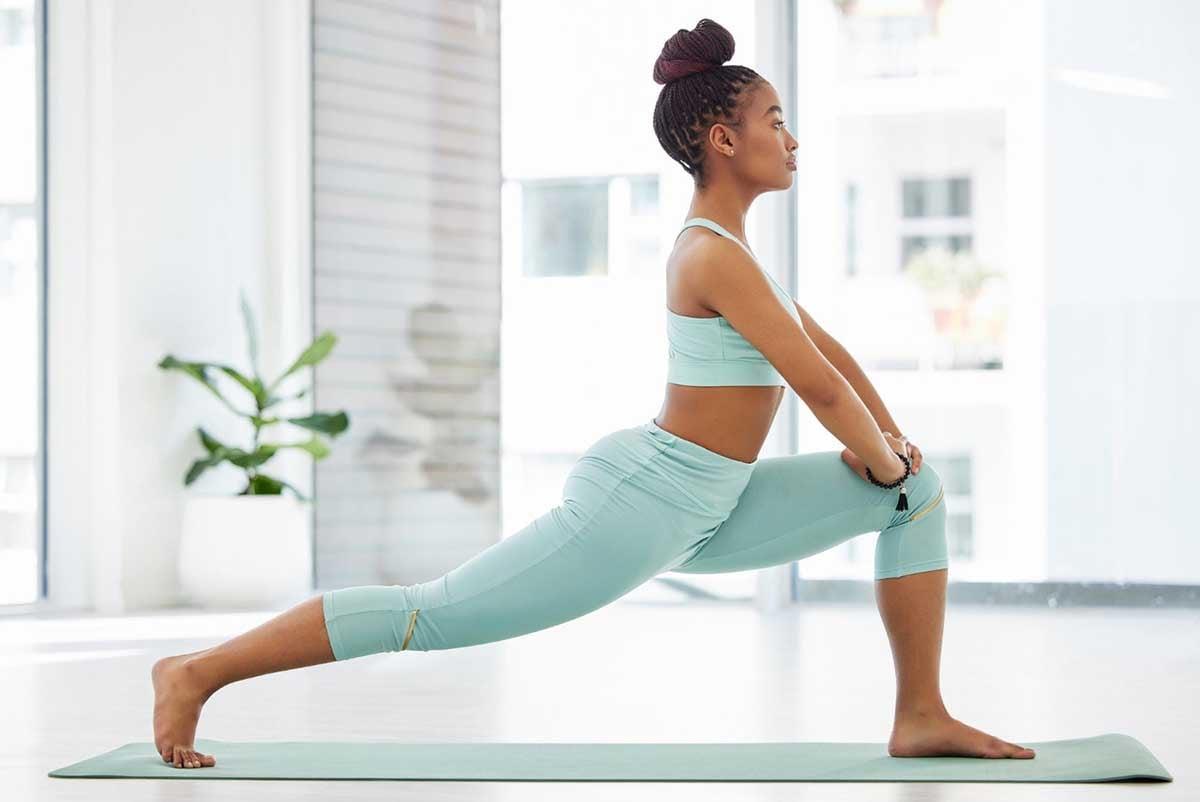
Health looks different today than it did a decade ago, and Gen-Z 2026 is leading that change. This generation views health not just as fitness or diet but as a full picture that includes mental strength, emotional awareness, and social connection. They’ve grown up surrounded by technology, global awareness, and open conversations about wellness — all shaping a new kind of health culture.
Unlike older generations who focused mainly on physical fitness, Gen-Z sees health as something that needs balance. They know that well-being comes from habits, community, and lifestyle choices, not quick fixes.
What Health Means to Gen-Z
For Gen-Z, health isn’t about trends or perfection — it’s about consistency and awareness. They believe in taking care of their bodies and minds at the same time. The idea of “holistic health” — where mental, physical, and social well-being connect — has become a central part of how they live.
They’re also practical. Many young adults today track their health through smart devices, apps, and online tools. Fitness watches, hydration reminders, and mental health apps help them stay accountable. This generation uses data to make small but effective lifestyle changes.
Modern products and tools often fit into this new health mindset. For example, Fifty Bar X Fruitia represents how Gen-Z merges technology, flavor, and personal experience — showing that even leisure products can reflect balance and preference when used responsibly.
Their approach to health is less about limits and more about learning. They research, ask questions, and value sources they can trust. In a world full of information, they’ve become good at sorting what’s useful from what’s noise.
The Mental Health Shift
Mental health has become one of the most discussed topics among Gen-Z. Unlike past generations, they are open about emotions, stress, and therapy. Talking about anxiety, burnout, or depression no longer carries the same stigma it once did.
This openness has created a culture of honesty. Friends talk about self-care, and workplaces are beginning to prioritize mental well-being. Schools are offering mindfulness programs and access to counseling. Gen-Z has helped make mental health part of normal conversation.
Some habits that show this change include:
-
Journaling and reflection: Writing down thoughts helps with clarity and stress relief.
-
Digital boundaries: Many take breaks from social media to avoid information overload.
-
Therapy and peer support: Talking to professionals or friends is seen as a strength, not a weakness.
-
Routine rest: Sleep and downtime are valued as part of staying healthy.
Gen-Z’s focus on emotional health isn’t about being overly sensitive — it’s about being aware. They understand that managing mental health helps everything else in life, from relationships to work.
Fitness and Movement: Simple but Consistent
Exercise for Gen-Z isn’t just about appearance. It’s about energy, focus, and mental balance. While gyms and fitness apps are still popular, many prefer flexible, approachable routines they can stick to.
This means more people are choosing everyday movement over strict workout plans. Walking, biking, yoga, or dance are common choices because they fit easily into busy schedules. The key is sustainability — doing something that feels right and keeps the body active.
Technology has also changed how people approach fitness. From video workouts on social media to AI-based fitness apps, Gen-Z uses online communities to stay motivated.
A new wave of hybrid products, such as Hidden Hills X Fifty Bar, combines lifestyle enjoyment with functional design — showing that wellness can coexist with pleasure. The focus is on moderation and informed choice, reflecting how Gen-Z balances personal enjoyment with responsibility.
This shift shows that health for this generation isn’t about restriction — it’s about long-term balance.
Nutrition and Mindful Eating
When it comes to food, Gen-Z takes a realistic approach. Instead of extreme diets, they prefer balance and awareness. They’re reading labels, learning about ingredients, and choosing foods that fit their energy needs rather than following fad plans.
Some key trends include:
-
Plant-based options: Many are choosing vegetarian or vegan meals for environmental and health reasons.
-
Functional foods: Snacks with added vitamins or probiotics are gaining attention.
-
Reduced waste: Sustainability plays a big role in Gen-Z’s eating habits.
-
Balanced indulgence: Enjoying food without guilt is part of mindful eating.
They also think about how eating affects mood and focus. Meals are not just fuel but a part of mental health. Cooking at home, trying new recipes, and learning about food sourcing are ways Gen-Z connects health to creativity and responsibility.
Online communities have made it easier for young people to share recipes, tips, and nutrition facts. This collaborative approach keeps health conversations open and inclusive.
Technology and Health Tracking
Technology has become a major part of how Gen-Z manages health. From step counters to meditation apps, devices help track progress and build habits. However, this generation also knows that tech can be a double-edged sword — too much screen time or data obsession can cause stress.
The balance lies in using tech mindfully. Many people use wearables to monitor heart rate, sleep, and activity levels but still focus on how they feel, not just numbers. This mindful approach combines digital awareness with physical intuition.
Here’s how technology fits into Gen-Z’s health habits:
-
Health apps: For nutrition, meditation, and stress tracking.
-
Wearables: Smartwatches that measure heart rate, steps, and sleep.
-
Virtual fitness: Online workouts and interactive trainers.
-
Telehealth: Easy access to doctors and therapists online.
Technology gives this generation the tools to understand their bodies better, but they don’t let it control them. For Gen-Z, awareness is empowerment — data helps, but balance matters most.
The Future of Health: What Comes Next for Gen-Z 2026
Looking ahead, the Gen-Z approach to health will likely continue to influence society. Their openness, curiosity, and balance-driven mindset are already shaping industries like fitness, wellness, and healthcare.
We can expect more focus on preventive care, mental well-being, and accessible health tools. The traditional idea of visiting a doctor only when something goes wrong is slowly giving way to continuous care — where people monitor and manage their health every day.
Sustainability will also play a growing role. Gen-Z wants products and systems that care for both people and the planet. Clean energy in health facilities, eco-friendly packaging for supplements, and local food sourcing are all part of the future they’re building.
Even recreational habits reflect this thoughtful balance. Devices like Viho Vape, for example, show how Gen-Z values choice, moderation, and transparency. The goal isn’t perfection but responsible enjoyment within a healthy, informed lifestyle.
Ultimately, Gen-Z 2026 is proving that health isn’t one-dimensional. It’s not about achieving an ideal body or sticking to strict routines. It’s about being informed, mindful, and connected — physically, mentally, and socially.
Final Thoughts
Health for Gen-Z 2026 is a reflection of their generation’s values — realness, awareness, and balance. They’re creating a world where well-being is accessible and open, not something to chase or hide.
From digital tools to mindful habits, from emotional openness to sustainability, Gen-Z is redefining what it means to be healthy. They know that true health isn’t a finish line — it’s a lifestyle built on small, consistent choices.
In a fast-changing world, their approach offers a grounded path forward. Health, for Gen-Z, is not just about living longer — it’s about living better, every single day.

 English
 Arabic
 French
 Spanish
 Portuguese
 Deutsch
 Turkish
 Italiano
 Russian
 Romaian
 Portuguese (Brazil)
 Tiếng Việt