


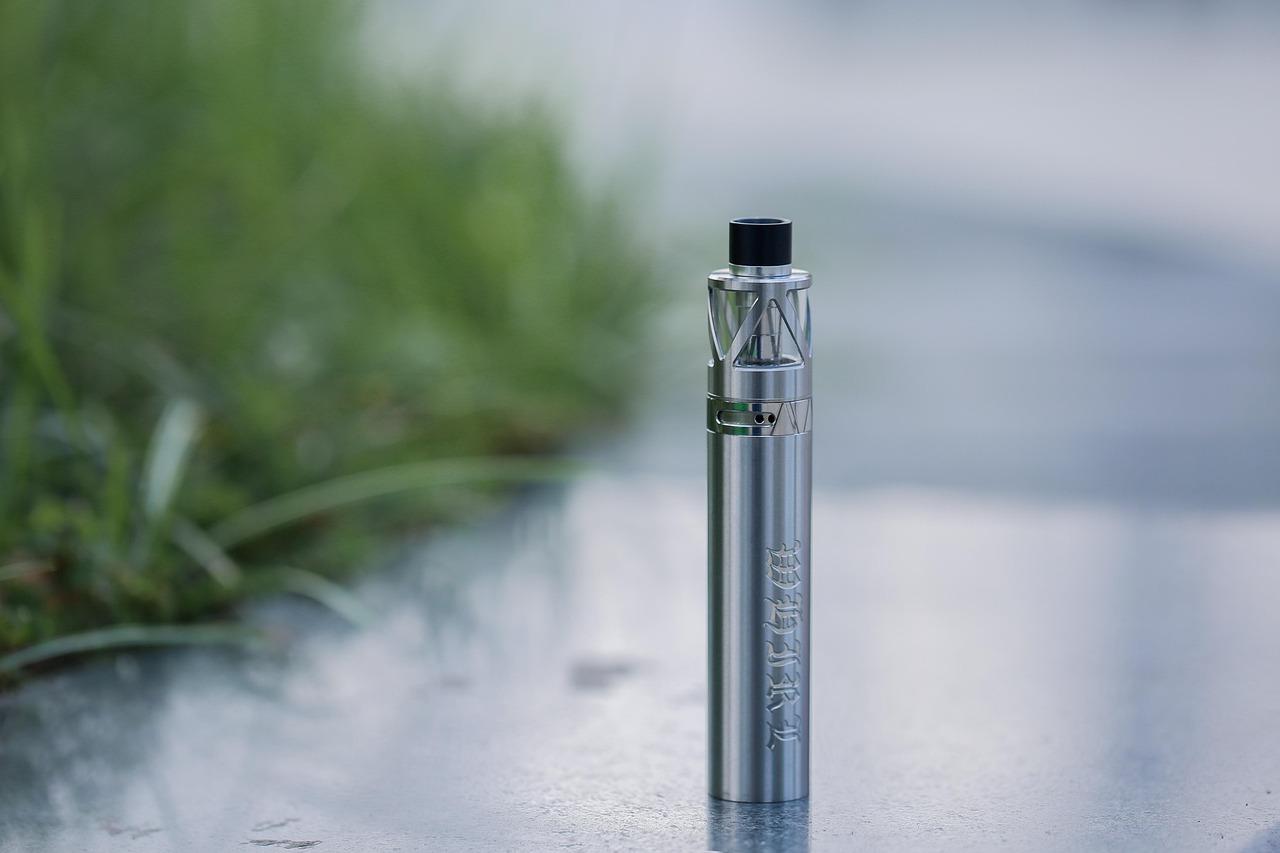
Vaping has become one of the most talked-about trends of the past decade. What began as a new way to quit smoking has now evolved into a major global industry. As we move closer to 2026, the vaping world is preparing for another wave of change. With new technologies, stricter regulations, and growing interest from adults looking for alternatives to traditional smoking, the landscape of vaping is shifting fast.
This blog looks at where vaping is headed, what’s shaping the next generation of devices, and how these developments could affect users in 2026.
The Evolution of Modern Vaping Devices
The vaping industry has never stood still. Each year brings new devices, better performance, and more options for users. From basic e-cigarettes to advanced pod systems, technology has redefined how people vape and what they expect from their devices.
A good example of this progress is Fifty Bar X Fruitia, a collaboration that highlights how brands are joining forces to create reliable and flavorful experiences. These partnerships show that vaping isn’t just about nicotine delivery anymore — it’s about consistency, taste, and smarter design.
As 2026 approaches, manufacturers are focusing on creating vapes that are safer, longer-lasting, and easier to use. Many of the latest models now feature rechargeable batteries, leak-resistant designs, and refillable systems that cut down on waste. This evolution shows that the vaping market is not slowing down; instead, it’s becoming more refined and responsive to user needs.
The Technology Behind Tomorrow’s Vapes
One of the biggest changes in vaping is the use of technology to make devices smarter and more efficient. The early versions of vapes relied on basic heating coils and simple batteries. Now, we’re seeing intelligent chips, sensors, and temperature control systems built into compact devices.
Here are some of the top tech trends shaping vaping in 2026:
-
Smart chips: Devices that automatically regulate temperature and wattage to ensure smooth vapor production.
-
Battery efficiency: Quick-charging batteries that last longer and are safer for repeated use.
-
Airflow control: Adjustable systems that let users customize their experience.
-
App integration: Some companies are testing devices that can connect to smartphones for usage tracking.
-
Eco-friendly design: More products are using recyclable materials and refillable pods to reduce environmental waste.
These developments show that vaping is becoming more than a habit — it’s a blend of technology, design, and responsibility. For users, the next wave of vapes means greater control, better safety, and less hassle.
The Role of Regulation and Consumer Awareness
As vaping grows, so does the attention from health experts and governments. Over the past few years, regulations around labeling, ingredients, and marketing have become stricter in many countries. The goal is to ensure that adult users have access to safe, well-made products and that younger audiences are kept away from nicotine-based devices.
The upcoming years are expected to bring:
-
Clearer ingredient listings on all e-liquids and devices.
-
Stricter manufacturing standards to prevent unsafe knockoffs.
-
Limits on nicotine strength and disposable product use.
-
More transparency from brands regarding testing and quality control.
These measures can help create a more responsible vaping environment. By 2026, buyers will likely have more reliable information about what they’re inhaling and how their devices are made.
Education will also play a big role. The more users understand about their products — from nicotine levels to maintenance — the safer and more enjoyable vaping can become.
The Changing Vape Lifestyle and Social Influence
Vaping isn’t just a product choice anymore — it’s a lifestyle for many adults. Social media, online reviews, and community discussions have made vaping part of pop culture. This has helped shape how brands design and promote their products, focusing on simplicity, flavor, and usability.
A great example of this collaboration between lifestyle and design is Hidden Hills X Fifty Bar, a partnership that brings creative branding and practical design together. These kinds of projects appeal to users who value both performance and individuality.
At the same time, social awareness is growing. Many vapers are becoming more mindful of when and where they use their devices. Public etiquette, such as avoiding vaping indoors or around non-users, is becoming more common. This awareness shows how vaping is finding a place in modern society as something that can coexist with personal responsibility.
As trends evolve, expect to see more emphasis on customization, smaller and sleeker devices, and user education. The vaping community is maturing — moving from flashy trends to practical, everyday use.
The Push for Sustainability in Vaping
One of the biggest challenges in the vaping world today is waste. Disposable vapes, while convenient, create a growing environmental problem due to their plastic casings and lithium batteries. The next step for the industry is finding better, greener solutions.
Here’s how brands are addressing sustainability in 2026:
-
Reusable pod systems: These reduce waste by allowing users to refill and recharge instead of discarding the entire device.
-
Battery recycling programs: Some companies are testing take-back schemes for used vapes.
-
Simpler packaging: Brands are cutting down on plastic and switching to recyclable cardboard.
-
Eco-conscious marketing: Companies are promoting proper disposal and responsible usage.
Consumers are also becoming more selective, choosing products that align with their values. Environmentally aware users are looking for quality and sustainability over quantity. In response, brands are rethinking how their products are made and packaged.
This focus on sustainability will likely become a defining feature of vaping in 2026 — turning it from a convenience item into a conscious choice.
What to Expect from Vaping in 2026
The vaping world in 2026 is set to look different from what we know today. With stronger regulations, smarter devices, and a more informed audience, the market is maturing into something more stable and responsible.
Here’s what users can expect:
-
Smarter devices: AI features and mobile integration for usage tracking.
-
Health-conscious options: More nicotine-free or low-nicotine choices.
-
Safety improvements: Automatic shutoff systems and certified batteries.
-
Sustainability: Eco-friendly materials and refillable designs.
-
Consumer transparency: Clearer information on ingredients and product origins.
The industry’s focus will likely be on trust and education — helping adults make informed decisions without overcomplicating the experience.
One company that reflects this evolution is Viho Vape, a name gaining recognition for its reliable and straightforward devices. Products like these represent where vaping is heading: durable, simple to use, and built with user safety in mind.
By 2026, vaping will likely continue to expand, but with a stronger foundation of responsibility and innovation. The early years of trial and error are giving way to a phase of refinement. Devices are getting better, users are getting smarter, and the industry is working harder to meet both safety and sustainability goals.
In the end, vaping in 2026 will be about balance — between technology and health, convenience and responsibility, innovation and awareness. Whether someone vapes as an alternative to smoking or simply enjoys the variety of flavors and devices available, the goal remains the same: to make vaping safer, smarter, and more sustainable for everyone.
The coming years will show that vaping isn’t just evolving — it’s maturing. And for those watching the next generation of vapes unfold, 2026 could be the most defining year yet.

 English
 Arabic
 French
 Portuguese
 Deutsch
 Turkish
 Dutch
Dutch
 Italiano
 Russian
 Romaian
 Portuguese (Brazil)
 Tiếng Việt