


In the trucking business, uptime is everything. The fewer breakdowns you have, the smoother your deliveries, schedules, and cash flow stay. For any fleet, whether it’s 10 trucks or 100, preventive fleet maintenance is what separates the top-performing operations from the ones constantly playing catch-up. It’s not just about fixing what’s broken; it’s about staying ahead of what could break. And for fleet managers, owner-operators, and operations heads trying to stretch every dollar, that’s the smartest move you can make.
Let’s break down some practical, no-nonsense tips to help you keep your trucks running longer, safer, and with fewer surprises on the road.
1. Stick to a Scheduled Maintenance Program
One of the biggest mistakes fleet managers make is waiting until something goes wrong. Trucks that run thousands of miles every week need regular checkups. Create a consistent schedule for oil changes, tire rotations, filter replacements, and fluid checks.
Many successful fleets follow a mileage-based system every 10,000 or 15,000 miles, while others use time-based intervals (like every 45 days). The key is consistency. Once you’ve set a schedule, stick to it.
A strong preventive fleet maintenance program reduces breakdowns, improves fuel efficiency, and ensures your trucks stay DOT-compliant. Plus, it saves your drivers from getting stranded in the middle of a load with a mechanical failure that could’ve been avoided.
2. Keep Detailed Maintenance Records
Paper logs and sticky notes won’t cut it anymore. Use a digital system or spreadsheet to track every inspection, repair, and replacement. Maintenance records help you:
-
Identify recurring issues with specific trucks
-
Predict when parts will need replacement
-
Show compliance during DOT audits
If your budget allows, consider using fleet management software to automate reminders and log repairs. Even a simple Excel sheet is better than no record at all. Knowing your maintenance history is like having a roadmap; it helps you plan smarter and spend wiser.
3. Conduct Regular Driver Inspections
Your drivers are your first line of defense. They’re the ones behind the wheel every day and can often spot issues before they turn serious. Encourage (and require) pre-trip and post-trip inspections.
Train drivers to look for common warning signs, such as:
-
Uneven tire wear
-
Leaking fluids
-
Warning lights on the dashboard
-
Unusual noises or vibrations
-
Loose connections or broken lights
The goal isn’t to turn your drivers into mechanics but to catch small issues before they lead to downtime. Reward drivers who report problems early it shows they care about keeping the fleet running smoothly.
4. Prioritize Tire Care
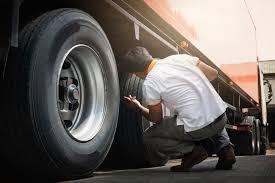
Tires are one of the most overlooked yet critical components in preventive fleet maintenance. They impact fuel economy, safety, and handling. A poorly maintained tire can quickly become a costly blowout or even a safety hazard.
Here’s what to keep in check:
-
Tire Pressure: Maintain proper PSI to reduce wear and improve mileage.
-
Tread Depth: Replace tires before they go bald. This helps prevent hydroplaning and blowouts.
-
Alignment: Misalignment can cause uneven wear and stress suspension components.
A simple rule of thumb: inspect your tires weekly. The cost of a tire failure on the road far outweighs the cost of preventive checks.
5. Don’t Ignore Fluid Levels and Leaks
Engines, transmissions, and braking systems all rely on clean and sufficient fluids. Check oil, coolant, transmission fluid, and brake fluid regularly. A minor leak today can turn into a serious repair tomorrow.
Make sure your team knows how to spot leaks and report them immediately. Look under parked trucks for puddles or wet spots, and never assume it’s “just condensation.”
Changing fluids on time also improves performance and extends engine life. It’s one of the simplest, cheapest forms of maintenance with the biggest long-term payoff.
6. Inspect Electrical and Lighting Systems
A flickering light or faulty sensor might not seem urgent, but it can lead to compliance issues and even accidents. Electrical systems control everything from lighting to safety alerts.
Test your lights (headlights, brake lights, turn signals) regularly. Check battery terminals for corrosion and ensure all connections are secure. Drivers can help by doing quick lighting checks during their pre-trip inspections.
A well-lit, properly wired truck not only stays compliant but also reduces the chance of being pulled over for avoidable violations.
7. Don’t Cut Corners on Brake Inspections
Your brakes take a beating, especially on heavy loads and long hauls. Regular brake checks should be non-negotiable. Look for worn pads, air leaks, or slack adjuster issues.
If your drivers mention longer stopping distances or squealing sounds, get those trucks checked immediately. Poor brakes don’t just risk fines, they risk lives.
Schedule brake inspections as part of your regular preventive fleet maintenance cycle and replace components before they fail.
8. Keep an Eye on Suspension and Steering
Suspension problems don’t always show up overnight, but they can throw your whole operation off balance. If a truck starts pulling to one side, vibrating excessively, or handling poorly, it could mean suspension wear or alignment issues.
Routine inspections help identify worn shocks, bushings, and other parts before they compromise control. Keeping your suspension in top shape ensures smoother rides, less driver fatigue, and better control under heavy loads.
9. Plan for Seasonal Maintenance
Different seasons bring different challenges. In the summer, heat can cause tire blowouts and coolant failures. In winter, cold can affect batteries, diesel fuel, and air systems.
Get ahead by preparing your fleet for each season. Before winter hits, check antifreeze levels, test batteries, and inspect heaters. Before summer, focus on cooling systems and A/C units.
Seasonal prep keeps your trucks reliable no matter the weather, helping you avoid last-minute emergencies when repair shops are busiest.
10. Build a Relationship with a Trusted Repair Partner
Even the best maintenance plan can’t prevent every issue. That’s why having a reliable repair partner on call is key. Choose a shop that understands fleet operations, offers quick turnarounds, and uses quality parts.
A good partner doesn’t just fix problems; they help prevent them. They’ll get to know your fleet, track service intervals, and give advice that keeps you ahead of breakdowns. That relationship can make all the difference when you’re up against tight delivery schedules.
Final Thoughts
Running a large fleet isn’t easy. Every truck off the road means lost time, missed loads, and money down the drain. But with consistent, disciplined preventive fleet maintenance, you can take control of your uptime and keep your operation running like a well-oiled machine.
When you prioritize maintenance before repair, you’re not just saving money; you’re protecting your drivers, improving delivery reliability, and building a stronger reputation in the industry.
So, whether you’re an owner-operator running lean or managing a nationwide fleet, start tightening up your maintenance strategy today. Your future self and your bottom line will thank you.

 English
 Arabic
 French
 Spanish
 Portuguese
 Deutsch
 Dutch
Dutch
 Italiano
 Russian
 Romaian
 Portuguese (Brazil)
 Tiếng Việt