


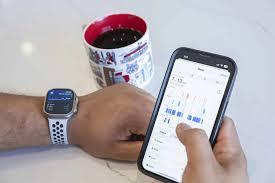
A New Era of Personal Health Management
I’ve always believed that taking care of my health should feel natural, not complicated. Over the last few years, technology has completely reshaped how I manage my wellness — and it’s not just about tracking steps or counting calories anymore. Today, smart devices and artificial intelligence (AI) have made it possible to understand my body in real-time, predict health trends, and take proactive action before small issues turn into big ones.
The rise of smart wellness isn’t just another tech fad. It’s a practical shift in how we connect with our bodies every day. Whether it’s through wearables, digital health platforms, or AI-driven coaching apps, the focus is now on prevention and personalization. I no longer have to wait for a problem to appear — my watch, app, or tracker tells me what I need to adjust to feel better and perform at my best.
The Problem: Modern Health Challenges
Our lives have become more connected, but also more sedentary. With long work hours, irregular sleep, and constant digital distractions, it’s easy to lose touch with what our bodies need. I’ve noticed how stress, irregular meals, and lack of physical activity quickly take a toll. Even small habits like sitting too long or skipping hydration can lead to fatigue or lower focus.
Traditional health check-ups are helpful but reactive. They tell me what’s wrong after the issue arises. The real challenge is finding a way to monitor health continuously — in real time — and receive feedback that helps me make quick adjustments. That’s where smart wellness technology steps in.
The Agitation: Why Staying on Track Feels Hard
For me, the biggest struggle used to be consistency. I could set health goals, but tracking them manually felt like a chore. I’d forget to record meals, lose interest in workout logs, or skip routine health checks. Without consistent feedback, motivation dropped fast.
And I know I’m not alone. Many people face the same problem — they want to be healthier but lack a clear, data-driven guide. Health is personal, yet traditional advice often feels one-size-fits-all. When you can’t see how your unique body responds daily, it’s easy to fall off track.
The good news is, that technology has evolved to fill this gap. Smart devices powered by AI are now making wellness simpler, smarter, and more intuitive than ever before.
The Solution: Wearables and AI Working Together
When I first tried a fitness tracker, I was amazed at how much it revealed about my habits. But what truly changed everything was when AI became part of the system. The combination of sensors, algorithms, and machine learning now offers a holistic view of health that goes beyond numbers.
Here’s what I’ve experienced:
-
Real-Time Monitoring: My wearable continuously tracks vital metrics like heart rate, oxygen levels, and sleep cycles. This means I can make immediate adjustments — whether it’s slowing down my breathing, taking a short walk, or hydrating.
-
Personalized Insights: AI systems don’t just show data; they analyze patterns. They learn how my body reacts to stress, rest, and activity, and then give tailored recommendations.
-
Predictive Health Tracking: Instead of waiting for symptoms, AI models detect subtle shifts that may suggest early signs of imbalance, helping me stay one step ahead.
-
Integration with Daily Life: Most wearables now sync with other smart devices, making it easier to connect physical health with digital habits — from screen time to nutrition apps.
The combination of AI and wearables transforms wellness from something I “try to manage” into something that naturally fits into my lifestyle. It’s less about discipline and more about awareness.
The Personal Connection: Living Smarter Every Day
One of the biggest lessons I’ve learned from using smart wellness tools is that data leads to mindfulness. I started noticing how small things — like staying up an hour late or skipping breakfast — affect my heart rate and energy levels. My devices became quiet guides that help me stay grounded.
On mornings when I vape, I enjoy pairing the experience with a calm breathing session tracked by my device. It’s my moment of reflection before diving into work. I often use MR Fog Max Banana Guava Coconut Ice during these sessions — the flavor adds a pleasant balance that fits well into my mindful routine.
Smart wellness isn’t about being perfect; it’s about being aware. Over time, I’ve realized that the goal isn’t just physical fitness but balance — between rest and movement, work and play, mind and body.
The Benefits I’ve Noticed
Since embracing wearable tech and AI-driven health platforms, I’ve seen several positive shifts:
-
Better Sleep: By tracking my sleep patterns, I’ve learned what habits help me rest better.
-
Improved Focus: Data-driven insights remind me when I need to take breaks or hydrate.
-
Consistent Energy Levels: Real-time monitoring helps me manage nutrition and recovery more effectively.
-
Motivation Through Data: Seeing progress visually — like step counts or heart rate improvements — keeps me engaged.
What’s even better is how easily this integrates with my lifestyle. I don’t need to change everything overnight; I simply adjust small things every day, and my body responds.
The Bigger Picture: AI Beyond Fitness
The reach of AI in wellness goes far beyond fitness tracking. Healthcare systems are now using AI to support early diagnosis, monitor chronic conditions, and personalize treatment plans. Even mental health apps are leveraging AI to provide guided breathing, stress analysis, and emotional insights based on speech and typing patterns.
I think the most empowering part is how these tools give people ownership over their health. We’re no longer dependent solely on appointments or checkups. Instead, we carry mini health labs on our wrists. It’s health in real-time — accessible, private, and actionable.
Looking Ahead: Smarter Wellness for Everyone
I believe we’re only at the beginning of what AI and wearables can do for personal wellness. As devices become more accurate and AI becomes more intuitive, we’ll soon have systems that can detect not just physical but also emotional shifts — guiding us toward better balance in both areas.
Imagine a future where your device reminds you to stretch after too many sedentary hours, or where your AI assistant adjusts your daily schedule based on sleep quality. That’s not far off — and for many of us, it’s already happening.
Health is becoming more proactive than reactive, and that’s a change I fully embrace. The smarter we get about listening to our bodies, the more control we gain over how we live and feel each day.
And while I continue to explore what technology brings to wellness, I also enjoy moments of calm — a quiet pause with my vape, checking my pulse, and letting the data remind me that progress happens one breath at a time. Sometimes, I reach for my mr fog max to mark those small pauses; it’s my way of keeping the day balanced while my wearable keeps the data flowing.
The Ongoing Journey
Smart wellness isn’t a destination — it’s a process of learning, adapting, and staying connected. AI and wearables have become more than just tools; they’re partners that help me understand my body better. The more I track, the more I learn, and the more confident I feel about making choices that support my long-term health.
I’ve seen firsthand how technology can transform routines into rituals — where caring for myself becomes second nature. Every notification, every health reminder, every recorded heartbeat becomes part of a bigger story: one that connects technology, mindfulness, and well-being.
And as I continue to integrate these tools into my life, I know I’ll keep discovering new ways to stay balanced, healthy, and focused — one insight at a time. When I end my day, a short relaxation session with mr fog vape adds a calm note to my wellness rhythm, making me realize how technology and small habits together shape a healthier lifestyle.
Smart wellness isn’t just about devices; it’s about awareness. It’s a reminder that the smartest thing we can do is listen — to data, to experience, and to our own bodies — because that’s where true care begins.

 English
 Arabic
 French
 Spanish
 Portuguese
 Deutsch
 Turkish
 Italiano
 Russian
 Romaian
 Portuguese (Brazil)
 Tiếng Việt