


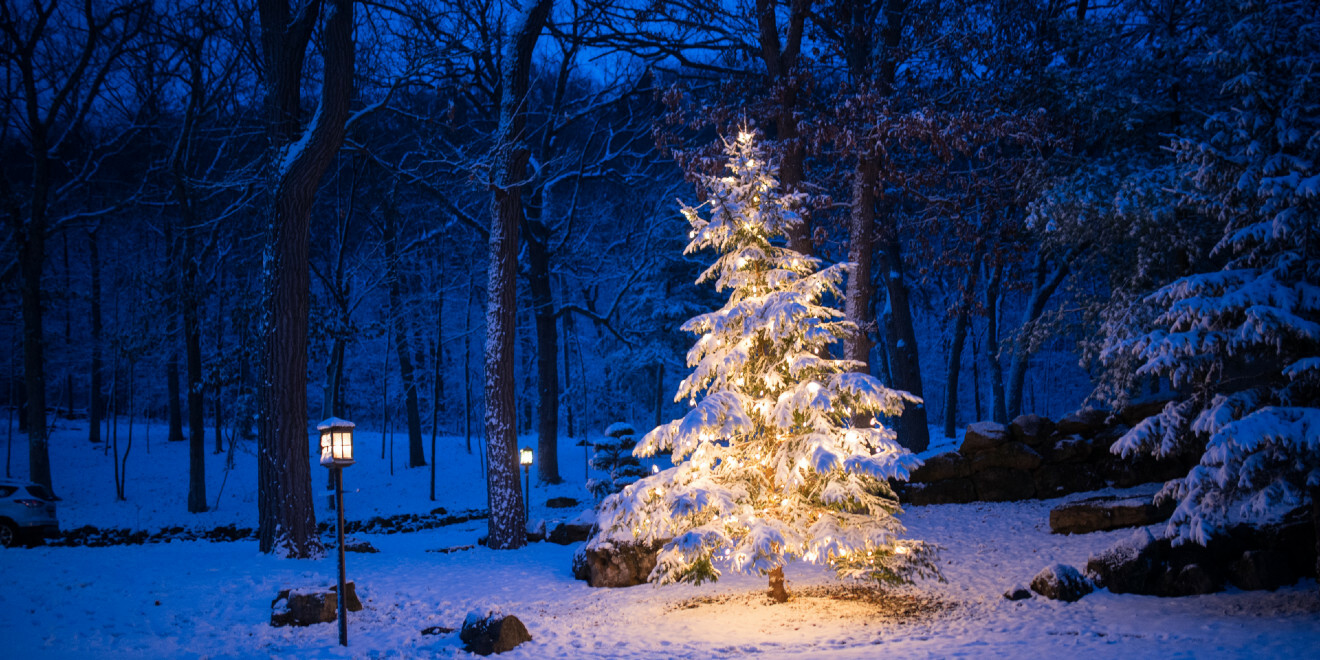
The journey of Christmas trees from dense forests to the heart of our living rooms is a story of tradition, sustainability, and holiday magic. Every year, these evergreen trees travel a path that combines careful cultivation, cultural significance, and creative decoration to become the centerpiece of festive celebrations. Understanding this journey not only deepens our appreciation of the trees but also highlights the care, planning, and artistry involved in bringing the holiday spirit to life.
The Origins of Christmas Trees
The tradition of decorating evergreen trees dates back centuries. Historically, people in Northern Europe brought evergreen branches indoors during the winter to symbolize life, hope, and resilience during the cold months. Over time, this practice evolved into the full Christmas tree we know today, complete with ornaments, lights, and garlands.
Modern Christmas trees carry forward this rich history, serving as symbols of joy, family togetherness, and the festive spirit. From forests to homes, each tree becomes a part of countless holiday memories.
Growing Christmas Trees
The journey of a Christmas tree begins long before the holiday season. Evergreen trees such as fir, spruce, and pine are cultivated in specialized tree farms for years, often taking 6 to 10 years to reach the ideal height and shape. These farms carefully manage soil, sunlight, and pruning practices to ensure each tree is healthy and symmetrical.
Sustainable farming practices are increasingly important. Many growers implement eco-friendly methods, such as recycling water, avoiding harmful chemicals, and replanting saplings after harvest. This ensures that Christmas trees remain a renewable and environmentally conscious holiday tradition.
Harvesting and Transportation
When the holiday season approaches, trees are harvested with care. Cut trees are trimmed, baled, and prepared for transport to local farms, nurseries, or retailers. Artificial trees follow a different journey: they are manufactured, packaged, and shipped from factories, often using recyclable materials and modular designs for efficiency.
For both real and artificial Christmas trees, the goal is to deliver a product that is ready for decoration, safe, and visually appealing. Proper handling during transportation ensures the tree arrives intact and retains its natural beauty.
Preparing the Tree for the Home
Once a Christmas tree reaches its destination, it is time to prepare it for its role as the centerpiece of festive décor. Real trees are often soaked or placed in water immediately to preserve freshness and longevity. Artificial trees may require assembly, fluffing branches, and pre-lighting for convenience.
Placement is key. Choosing the right spot ensures the tree is visible, safe from heat sources, and allows for proper decoration. A well-placed tree not only enhances the home’s ambiance but also becomes a focal point for family gatherings and holiday celebrations.
Decorating Christmas Trees
The decoration phase transforms a tree into a magical display. Lighting is the first step—LED string lights or fairy lights add warmth and brilliance, illuminating the branches and ornaments. Ornaments range from traditional baubles and stars to personalized keepsakes, reflecting family memories, culture, and creativity.
Garlands, ribbons, tinsel, and tree toppers complete the look. Modern decorators also experiment with themes, colors, and unconventional materials, allowing each Christmas tree to become a unique statement piece. Whether classic, minimalist, or avant-garde, the decorated tree embodies the spirit of the season.
Sustainability in the Tree Journey
Sustainability is an increasingly important consideration in the journey of Christmas trees. Real trees can be replanted, mulched, or recycled after the holidays, while eco-friendly artificial trees can be reused for years. Additionally, DIY or upcycled tree designs help reduce waste while allowing for creativity and personalization.
Families are also adopting small or potted trees, which can be replanted outdoors after the season, and natural decorations such as pinecones or dried flowers, which minimize environmental impact.
The Final Destination: Creating Holiday Memories
Ultimately, the journey of a Christmas tree culminates in the creation of holiday memories. The tree becomes a gathering point for families, a backdrop for photographs, and a symbol of celebration. Children hang ornaments, adults arrange lights, and together everyone contributes to a display that is both beautiful and meaningful.
The journey from forest to living room reminds us of the care, creativity, and tradition involved in bringing Christmas trees into our homes. Every branch, ornament, and light is part of a story that enhances the holiday spirit.
Conclusion
The journey of Christmas trees from their natural origins to homes around the world is a remarkable blend of nature, tradition, and artistry. From careful cultivation and sustainable practices to imaginative decorating and family engagement, each tree embodies the magic of the season.
This holiday season, understanding the story behind your Christmas tree can deepen appreciation and enhance the joy of celebration. Every tree, whether real, artificial, or creatively reinvented, carries the warmth, beauty, and timeless charm that make Christmas truly special.

 English
 Arabic
 French
 Spanish
 Portuguese
 Deutsch
 Dutch
Dutch
 Italiano
 Russian
 Romaian
 Portuguese (Brazil)
 Tiếng Việt