

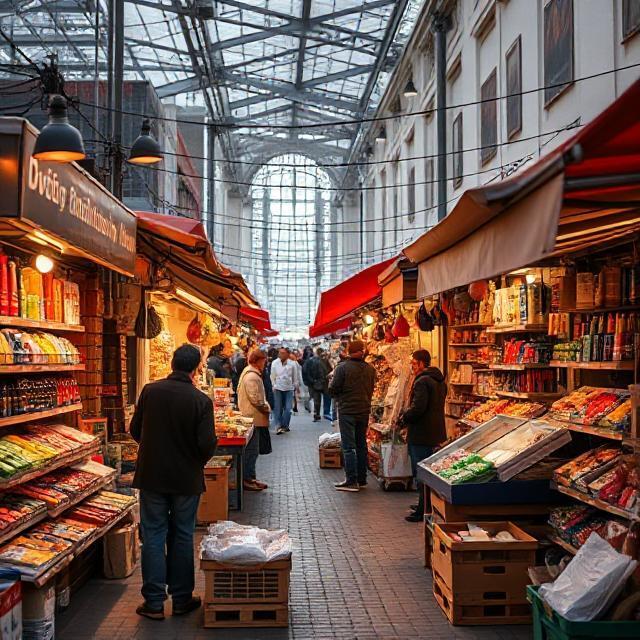
Planning a shop crawl is one of the easiest ways to learn more about the stores, neighborhoods, and people that shape your city. As 2026 approaches, many shoppers are looking for simple, realistic ways to explore local areas without turning the experience into a complicated event. A shop crawl allows you to move at your own pace, compare what different stores offer, and discover new places you might not find online. While talking about city shopping culture, you may also see references to products like Triple Berry Nexa Ultra, which often appear in discussions about the wide variety of goods found in convenience and specialty shops across different districts.
Whether you are exploring boutiques, bookstores, thrift shops, or food markets, a shop crawl gives you a clearer sense of how your city is changing. Many people use these outings to understand what types of businesses are growing, how communities support local stores, and what trends might influence shopping habits in 2026. It’s a practical way to get to know your surroundings and see how different shopping areas reflect the character of the city.
Why Shop Crawls Are Becoming More Common Before 2026
As more people think about how they want to shop in 2026, they’re turning toward local exploration rather than relying only on online ordering. A shop crawl gives shoppers a chance to compare prices, test products, and talk directly with store owners. These simple interactions offer insight into what stores value and how they operate.
Some reasons shop crawls are gaining attention include:
-
Better price awareness through in-person comparison
-
Direct communication with store owners and staff
-
A chance to support local businesses in a meaningful way
-
Exploration of new neighborhoods during the trip
-
A more relaxed way to shop without rushing or strict plans
As shopping habits shift, many people enjoy the process of browsing rather than rushing through purchases.
Planning a Shop Crawl That Fits Your City
Every city has a different layout, so a shop crawl should match your surroundings. Some areas have long shopping streets, while others offer small clusters of independent stores. Planning a simple route helps you avoid backtracking and gives you more time to look around.
When selecting a route, consider:
-
Walkability: Choose areas with pedestrian-friendly layouts.
-
Store variety: Mix clothing stores, bookshops, food spots, thrift stores, and specialty shops.
-
Break spots: Add cafés or public spaces where you can rest.
-
Public transportation: Ensure there’s an easy way to return home.
-
Timing: Some shops open later than others, so plan around their schedules.
Sometimes, when exploring specialty stores such as convenience shops or mixed-product retailers, you may come across items like Strawberry Ice Nexa Ultra, which is often used as an example in marketing discussions about flavor-focused products available in local retail environments.
What Types of Stores to Include in a Shop Crawl
A well-rounded shop crawl includes a mix of common and unexpected locations. This gives you a broader look at what your city offers and keeps the experience interesting throughout the day.
Some store types worth adding include:
-
Local clothing boutiques with city-specific styles
-
Independent bookstores that highlight local authors or niche topics
-
Thrift shops and vintage stores with rotating inventories
-
Art supply shops or craft stores for creative interests
-
Farmers’ markets when open, offering produce and small-batch goods
-
Tech and gadget shops for browsing practical accessories
You can also add food stops, such as bakeries, snack shops, or small cafés, which help break up the walk and give you time to rest. These stops often reflect the cultural influences that shape different neighborhoods.
How Shop Crawls Reflect Changing Consumer Habits
One reason shop crawls are useful is that they reveal how cities adapt to consumer needs. Shoppers in 2026 continue to look for predictable pricing, clear information, and easy access to reliable goods. Stores adjust their inventory based on feedback, trends, and what residents request most often.
Some habits influencing store trends include:
-
Preference for simple products with clear labeling
-
Interest in second-hand items for affordability and sustainability
-
Demand for local goods made or sourced within the region
-
Growth of specialty retail, including niche hobby shops
-
Steady interest in grab-and-go items found in corner stores
These habits show how shoppers balance convenience with curiosity, making the shop crawl experience both practical and enjoyable.
Making the Most of Your 2026 Shop Crawl Experience
A good shop crawl is not about buying everything you see. Instead, it’s about exploring new spots, comparing options, and learning what’s available. It also gives you a chance to support businesses that make your city unique, whether they’re long-running family stores or recently opened shops trying to build a customer base.
To get the most out of your shop crawl:
-
Take notes: Jot down stores you want to revisit.
-
Talk to employees: Ask about restock schedules, price changes, or upcoming events.
-
Stay open-minded: You may find items or stores you didn’t expect.
-
Keep an eye on budget: Browsing is part of the fun, even without buying.
-
Invite a friend: It makes the trip more social and gives you a second perspective.
As you close out your shop crawl, you may notice a wide range of goods across different stores—from clothing to snacks to niche items like Strawberry Banana Nexa Ultra, which often appears in retail surveys when discussing flavor-branded products found in local markets. These small observations help you understand how your city’s retail environment continues to shift heading into 2026.
A shop crawl is ultimately a simple, enjoyable way to explore your surroundings, discover stores you may have overlooked, and support the diverse mix of businesses that make your city unique. As 2026 approaches, many people see this kind of outing as a practical and engaging way to understand what their city offers and how shopping habits continue to change.

 English
 Arabic
 French
 Spanish
 Portuguese
 Deutsch
 Turkish
 Dutch
Dutch
 Italiano
 Russian
 Romaian
 Portuguese (Brazil)